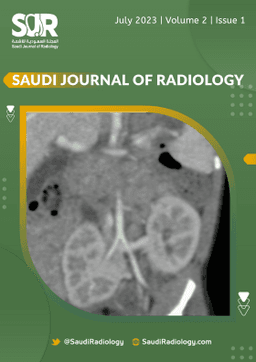
The supernumerary kidney, also known as the accessory kidney, is one of the rarest congenital anomalies of the genitourinary system without sufficient epidemiological studies. It is defined as having more than two kidneys with each kidney having its own vasculature, collecting system, and capsule. To date, there are few cases documented in literature worldwide. We hereby present the first reported supernumerary kidney case in a preterm 2-month-old infant with dysmorphic features associated with an ectopic kidney and coarctation of the aorta. The coexistence of cardiovascular anomalies and genitourinary anomalies indicates a shared embryologic origin and genetic linkage, underscoring the importance of screening both systems when anomalies are identified in either. Newborn screening ultrasonographic examinations are crucial for detecting congenital anomalies, especially in infants with pertinent medical history or physical features, leading to better outcomes through timely diagnosis and intervention.
License

This work is licensed under a Creative Commons Attribution 4.0 International license
References
- Alp EK, Dönmez Mİ, Alp H, Elmacı AM. The association between the congenital heart diseases and congenital anomalies of the kidney and the urinary tract in non- syndromic children. Congenit Anom. 2022;62:4–10. doi:10.1111/cga.12443.
- Houat AP, Guimarães CTS, Takahashi MS, Rodi GP, Gasparetto T, Blasbalg R et al. Congenital Anomalies of the Upper Urinary Tract: A Comprehensive Review. Radio- graphics. 2021;41:462–486. doi:10.1148/rg.2021200078.
- Geisinger JF. Supernumerary Kidney11Read at annual meeting of the American Association of Genito-Urinary Surgeons at the Seigniory Club. J Urol. 1937;38:331–356. Quebec, Canada, June 14–16, 1937. doi:10.1016/S0022-5347(17)71961-1.
- Rehder P, Rehwald R, Böhm JM, Grams AE, Loizides A, Pedrini M et al. Supernumer- ary kidneys: a clinical and radiological analysis of nine cases. BMC Urol. 2019;19:93–93. doi:10.1186/s12894-019-0522-0.
- Cinman NM, Okeke Z, Smith AD. Pelvic kidney: associated diseases and treatment. J Endourol. 2007;21:836–842. doi:10.1089/end.2007.9945.
- Egbe A, Uppu S, Lee S, Stroustrup A, Ho D, Srivastava S. Congenital malformations in the newborn population: a population study and analysis of the effect of sex and prematurity. Pediatr Neonatol. 2015;56:25–30. doi:10.1016/j.pedneo.2014.03.010.
- Unal M, Erem C, Serçe K, Tuncer C, Bostan M, Gökçe M. The presence of both horseshoe and a supernumerary kidney associated with coarctation of aorta. Acta Cardiol. 1995;50:155–160. Available from: https://www.ncbi.nlm.nih.gov/pubmed/ 7610739.
- Fernandez N, Varela D, Villanueva J, Camelo JL, Zarante I. Association between genitourinary and congenital heart defects: A 52-year case-control study of the Latin American Collaborative Study of Congenital Malformations (ECLAMC). Rev Urol Colomb / Colomb Urol J. 2022;31:e143–e148. doi:10.1055/s-0042-1746203.
- Barakat AJ. Association of congenital anomalies of the kidney and urinary tract with those of other organ systems: Clinical implications. Nephrology and Renal Diseases. 2020;5. doi:10.15761/nrd.1000167.
- Soliman NA, Ali RI, Ghobrial EE, Habib EI, Ziada AM. Pattern of clinical presen- tation of congenital anomalies of the kidney and urinary tract among infants and children. Nephrology. 2015;20:413–418. doi:10.1111/nep.12414.
- San Agustin JT, Klena N, Granath K, Panigrahy A, Stewart E, Devine W et al. Genetic link between renal birth defects and congenital heart disease. Nat Commun. 2016;7:11103. doi:10.1038/ncomms11103.